
Your cart is currently empty!
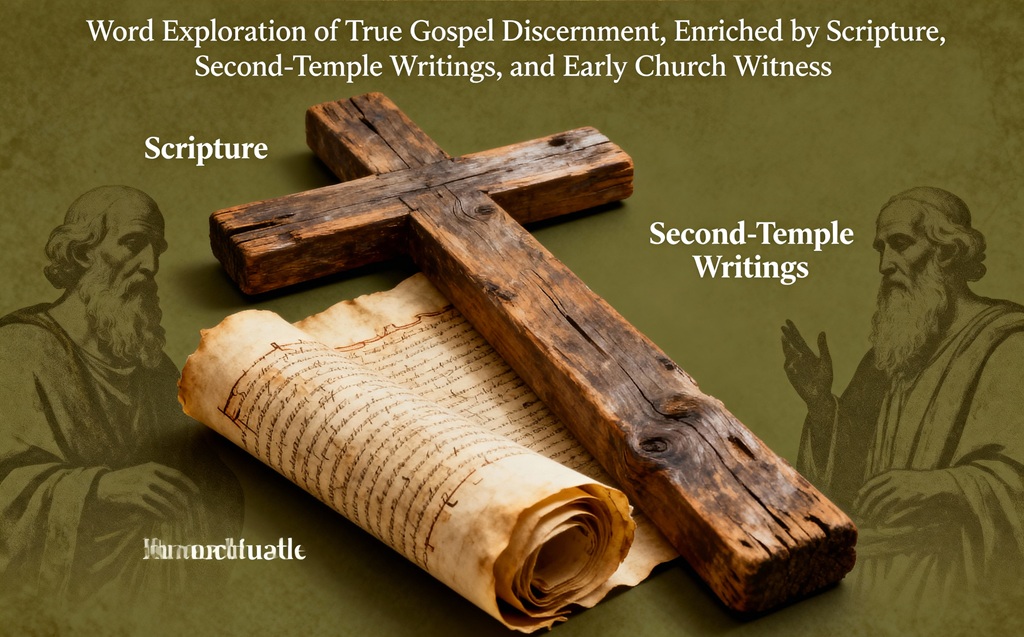
Guarding the Ancient Faith in an Age of Accommodation Chapter 4
Author: Terry Allen
Go to Chapter – 1, 2, 3, 4, 5, 6, 7, 8, 9, 10, 11, 12
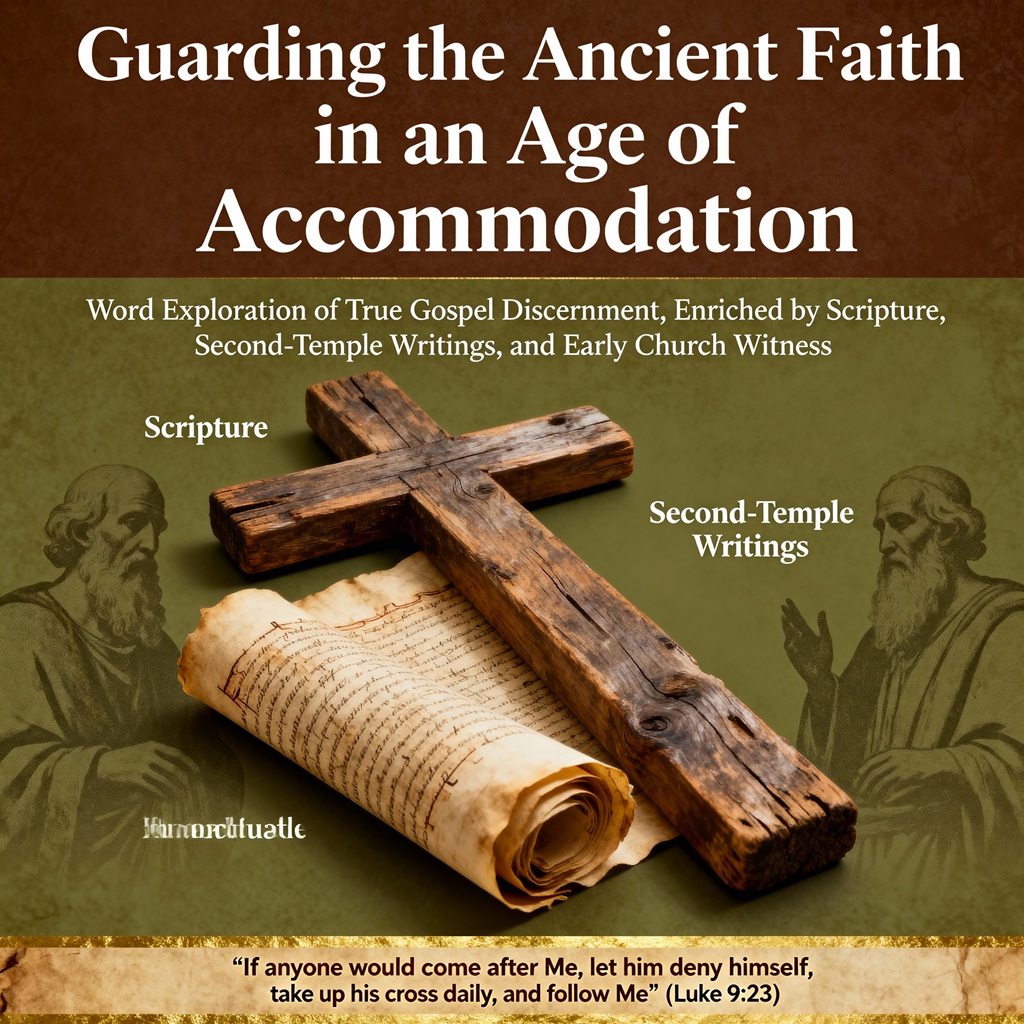
Chapter 4
Pseudepigraphal Illustrations of Moral Drift
From the very dawn of Scripture to the formative years of the Church, God’s people have been lovingly cautioned about the subtle yet dangerous erosion of moral conviction that can infiltrate even the most steadfast hearts. The pseudepigraphal writings, ancient texts attributed to revered patriarchs, prophets, or divine seers, though not embraced within the biblical canon, offer profound reflections on grace, judgment, and the perilous ease with which faithful communities can unwittingly slip into idolatry, self-deception, and spiritual stagnation. In this chapter, we will explore four key traditions, the Book of Jasher, the Book of Gad the Seer, 1 Enoch, and the Dead Sea Scrolls, alongside the Book of Jubilees and early patristic commentary. As a spirit-filled educator, called to convey both love and urgency, my intention is to extract resonant warnings, deeply rooted in Holy Scripture, for believers today who earnestly desire to be prepared for the imminent return of Christ.
The Book of Jasher and the Genesis of Drift
The Book of Jasher, known through first-century BC traditions, offers genealogical snapshots that illustrate the alarming consequences of neglecting true teaching, which can lead to a swift descent into moral decay. In Jasher 8:24–28, we find a poignant depiction of Noah’s descendants: “They lifted their eyes to the high places and built temples to all the host of heaven… violence grew in their midst.” This narrative echoes the stark warnings found in Genesis 6:1–5, where the union of the sons of God and the daughters of men birthed rampant lawlessness. The purpose of Jasher is clear, to fill the gaps in Israel’s collective memory and serve as a warning that even families consecrated to Yahweh are not immune to the alluring call of idolatry.
As we anchor our hearts in Scripture’s living truth, two passages shine with radiant clarity. In Proverbs 14:34 we discover that righteousness carries a nation to heights of honor and blessing, while unchecked sin weighs any people down with shame. Then, in Hebrews 12:1–2, the Holy Spirit stirs within us the courage to cast aside every burden, every doubt, every distraction, so that we might run the race set before us with steadfast faith, eyes fixed on Jesus, our perfect example. May these truths breathe new life into your soul, inspiring you to pursue holiness with love, endurance, and unwavering hope.
Jasher serves as a poignant reminder that when soft sermons replace prophetic conviction, “moral strongholds” remain ensconced beneath an outward façade of piety. It is incumbent upon families to champion the clear teaching of God’s holiness, lest successive generations unwittingly wander into the depths of spiritual darkness.
The Book of Gad the Seer: Unmasking False Prophets and Finding True Peace
In the pages of history, we encounter the profound wisdom of Gad the Seer, a prophetic voice that resonates with urgency and love for God’s people. His lament, captured in a translation from the early-century AD by Duke, invites us to ponder the gravity of his message: “Some prophets speak peace when there is no peace, lulling the sheep as wolves draw near.” This poignant warning echoes the words of our Savior in Matthew 7:15, where He cautions us to “Beware of false prophets, who come to you in sheep’s clothing, but inwardly are ravenous wolves.”
Gad’s prophetic ministry was not one of mere flattery or empty promises; it was a call to conviction. He walked in alignment with the Holy Spirit, whose role is beautifully articulated in John 16:8: “He will reprove the world of sin, and of righteousness, and of judgment.” Such a weighty task is not for the faint-hearted, but rather for those who are filled with the Spirit and compelled by love to speak truth, even when it is uncomfortable.
In the heart of Gad’s message lies the essence of two vital lessons, both crucial for our time
Comfort without Conviction Breeds Spiritual Slumber.
In a world that often seeks to soothe rather than challenge, we must awaken from our complacency. True comfort, rooted in Christ, does not shy away from the hard truths that lead us to genuine transformation.
Genuine Prophets Sound Alarms, Not Lullabies.
The voice of a true prophet is a clarion call, urging us to rise and confront the realities of our spiritual state. In a generation increasingly addicted to affirmation, Gad’s words are a reminder that authentic revival begins with the courageous acknowledgment of our sins, heartfelt repentance, and a complete turning to our Lord, Jesus Christ.
As we journey through these pages, let us open our hearts to the guidance of the Holy Spirit. May we be inspired by Gad’s unwavering commitment to truth, and may we, too, become vessels of His love, calling others to experience the peace that surpasses all understanding, a peace that can only be found in the presence of our Savior.
The Book of Gad the Seer: A Call to Discernment Amidst Deception
In the pages of history, the prophetic voice of Gad the Seer resonates with an urgency that transcends time, capturing the hearts of those who yearn for truth amidst a cacophony of false assurances. The early-century AD translation by Duke poignantly encapsulates Gad’s lament: “Some prophets speak peace when there is no peace, lulling the sheep as wolves draw near” (par. 12). This stark warning serves as a profound echo of Christ’s admonition in the Gospel of Matthew 7:15: “Beware of false prophets, who come to you in sheep’s clothing, but inwardly are ravenous wolves.”
Gad’s prophetic ministry was not one of mere flattery or soft words designed to soothe the weary soul; rather, it was a clarion call of conviction, deeply aligned with the work of the Holy Spirit, as articulated in John 16:8: “He will reprove the world of sin, and of righteousness, and of judgment.” This powerful truth pierces through the veil of complacency that often shrouds our hearts, unveiling the critical lessons we must embrace as we navigate our spiritual journeys:
Comfort without Conviction Breeds Spiritual Slumber
In a world where affirmation is often mistaken for truth, we find ourselves lulled into a dangerous stupor. The gentle whispers of comfort can sometimes mask the urgent call to awaken from our slumber, urging us to confront the areas of our lives that require divine intervention. It is a reminder that true peace does not come from ignoring our shortcomings but from a sincere acknowledgment of them.
Genuine Prophets Sound Alarms, Not Lullabies
The authentic prophetic voice of Gad serves as a beacon of truth, challenging us to rise above the superficial and engage with the deeper realities of our faith. True prophets do not shy away from proclaiming the hard truths that lead us to repentance and a renewed relationship with Christ. They are instruments of the Holy Spirit, guiding us back to the path of righteousness, even when it is uncomfortable.
As we immerse ourselves in the messages of Gad, we are reminded that true revival begins with a heartfelt acknowledgment of our sins, a genuine spirit of repentance, and a complete turning to Christ. His voice resounds with urgency for a generation increasingly enamored with affirmation, beckoning us to seek a deeper relationship with the Lord. In this journey, let us embrace the transformative power of the Holy Spirit, allowing His guidance to reshape our hearts and minds, leading us into the fullness of God’s grace and truth. Through this divine encounter, we can be equipped to stand against the tides of deception and emerge as beacons of hope, reflecting the love and light of Christ to a world in desperate need of His truth.
The Dead Sea Scrolls and the Sacred Call for Covenant Renewal
In the rich tapestry of biblical history, the Dead Sea Scrolls stand as a profound testament to the spiritual journey of the Qumran community, a group dedicated to a life of holiness and the pursuit of a deeper covenant with God. The essence of their self-understanding is beautifully captured in the Manual of Discipline (1QS 3:5–11), where it proclaims with heartfelt conviction, “one who endures in the camp of the congregation shall be called blessed.” This declaration is not merely an observation; it is an invitation to embrace a life marked by steadfastness and dedication.
The scrolls exude a fervent call to separate oneself from the distractions and temptations of worldly life. They urge a rigorous adherence to the Law, not as a burdensome obligation, but as a loving response to the divine covenant that has been graciously extended to humanity. The Qumran community exemplifies constant vigilance in their spiritual walk, a commitment to remain awake and aware in a world that often lulls its inhabitants into complacency. Their “Rule of the Congregation” poignantly contrasts the fate of the Wicked Priest, who succumbs to the alluring whispers of compromise, with the rich rewards promised to the faithful remnant who persevere.
This theme resonates deeply within the pages of Scripture, echoing the words found in 2 Corinthians 6:14–18, where we are implored to “come out from among them, and be separate.” It is a call to cultivate an identity that reflects the holiness of God, one that stands distinct in a culture that often celebrates mediocrity. Similarly, Revelation 3:10 reminds us of the divine promise: “Because you have kept my word of patient endurance, I will keep you from the hour of trial…” This assurance inspires hope and fortitude, affirming that our steadfastness is not in vain.
Yet, it is essential to recognize that while the Qumran sect often leaned toward legalism, their unwavering vigilance sheds light on a truth that remains profoundly relevant for the Church today. The gradual moral drift experienced by believers can often begin with seemingly innocuous concessions, small compromises that may go unnoticed until they accumulate, dulling the vibrant witness of Christ in our lives and communities.
As we reflect on the lessons of the Qumran community, we are beckoned to renew our commitment to the covenant established by our Lord, a covenant that calls us to live authentically, to embody love, and to uphold the truth of the Gospel. With the Holy Spirit as our guide, may we embrace this journey of covenant renewal, fostering a community of believers who shine brightly in the world, unafraid to stand apart, yet filled with compassion and grace for those still seeking the light. Let us walk boldly in faith, inspired by the sacred truths of the past, ever eager to share the transformative love of Christ with a world in desperate need of hope and redemption.
The Book of Jubilees: A Journey Through Covenant Boundaries
In the profound tapestry of biblical history, the Book of Jubilees emerges as a remarkable treasure, inviting us to explore the sacred rhythms of time established by our Creator. This ancient text intricately weaves together the themes of jubilees and sabbaths, presenting a rich reinterpretation of primeval history, a narrative that resonates deeply with our spiritual lives today.
At the heart of Jubilees lies a poignant reflection on the lineage of Cain, as articulated in chapters 4:24–26. Here, the text mournfully recounts the tragic fate of those who descended from Cain, stating, “They sold themselves to violence and gave themselves unto the ways of the angels.” This lamentation serves as a sober reminder of the consequences that arise when humanity strays from the divine path. The stark reality presented in these verses frames our commitment to God’s appointed times, not as ritualistic observances, but as the very backbone of our covenant loyalty.
When the people of Israel turned their backs on the jubilee ideal, a year marked by release, restoration, and remembrance, they inadvertently opened the floodgates to societal decay. In the absence of such divine rhythms, social injustices flourished, the oppression of the poor became rampant, and idolatry crept insidiously into the lives of the faithful. The Book of Jubilees challenges us to understand that spiritual drift is not just an individual concern; it is a communal phenomenon that accelerates when we collectively forget the sacred rhythms that God has graciously provided.
Thus, Jubilees beckons us to awaken our hearts and minds to the importance of honoring these divine appointments. It encourages us to embrace the sabbath rest, to celebrate the jubilee release, and to engage in periodic renewal as essential practices that fortify our relationship with God and with one another. As we delve into this inspiring narrative, let us allow the Holy Spirit to guide us, opening our eyes to the beauty and necessity of these rhythms in our lives, so that we may cultivate communities marked by justice, love, and unwavering fidelity to the covenant we share with our Creator.
In this journey through the Book of Jubilees, may we rediscover the joy of living in alignment with God’s divine timeline and may our hearts be filled with love as we strive to reflect His glory in every aspect of our lives.
Patristic Voices: Warnings and Wisdom from the Second Century and Beyond
In the annals of early church history, the voices of the fathers resound with a profound urgency, a clarion call that transcends time. These spiritual giants, while vigilant against the allure of pseudepigraphal authority, recognized the stark realities that these ancient writings illuminated. Among them, Clement of Alexandria, around 195 AD, invoked the Book of Enoch, drawing attention to the somber themes of angelic rebellion and the unwavering certainty of divine judgment. His words serve as a reminder that even in the midst of grace, the gravity of sin cannot be overlooked.
Irenaeus, in his seminal work, Against Heresies, (Book 4), issued a stark warning about the perils of heresy, declaring that such errant teachings “twist Scripture to their own destruction.” This echoes the admonitions found in Gad’s poignant indictment of flattering oracles, revealing the dangers of distorting divine truth for personal gain. Likewise, Justin Martyr, in his “Dialogue with Trypho”, illuminated the dangers of moral laxity, cautioning that when Christians allow syncretism with pagan ideologies, they risk diluting the very essence of their faith.
These early voices crystallize two essential convictions that remain vital today:
- The truth of Scripture must be fervently guarded.
- Omissions in teaching, be it of judgment or holiness, empower the Enemy.
Contemporary Application: A Call to Urgency
As we navigate the complexities of our contemporary age, we find ourselves enveloped in a milieu characterized by unprecedented comfort and distraction. The incessant hum of social media offers us a steady stream of affirmations, often shielding us from the piercing call of conviction that beckons us toward deeper repentance. In a culture that celebrates tolerance, we find ourselves shamed for acknowledging our need for transformation.
The narratives woven through the pseudepigraphal writings and the reflections of the early church fathers create a rich tapestry of warnings. Moral drift often begins innocently, manifesting as the subtle act of “speaking peace when there is no peace” (Book of Gad), or through the replacement of solemn judgment with lighthearted joviality. It further flourishes in the neglect of God-ordained rhythms of life, as illuminated in the teachings of Jubilees.
Scripture beckons us onward with a clarion call
- Matthew 24:44 reminds us, “Therefore you also must be ready, for the Son of Man is coming at an hour you do not expect.”
- Luke 21:36 urges, “Watch therefore, and pray always that you may be counted worthy to escape all these things that will come to pass.”
- Revelation 22:12 proclaims, “Behold, I am coming soon, bringing my recompense with me.”
Our mission is to proclaim the gospel of grace and truth with equal fervor. We must intertwine the sweetness of God’s mercy, as expressed in Ephesians 2:4–5, with the sobering call to holiness found in Hebrews 12:14, and the urgent watchfulness exhorted in 1 Thessalonians 5:6–8.
Practical Steps for Guarding Against Moral Drift
Cultivate Conviction in Corporate Worship
- Prioritize preaching that courageously confronts sin, eschewing mere cultural affirmation. Let our sermons challenge the status quo and invite transformation.
- Incorporate readings from Jude’s quotation of Enoch to elevate the cosmic stakes of our faith, reminding us of the eternal implications of our choices.
Reclaim Rhythms of Rest and Renewal
Embrace the Sabbath as a sacred time of rest that reinforces our dependence on God. Let it be a day of renewal, where we reconnect with the divine and with one another.
- Teach about jubilees, emphasizing financial stewardship, justice for the poor, and the vital practice of forgiving debts. Such lessons ground our faith in practical love and community care.
Discern Prophetic Voices
- Test every prophetic word against the unwavering truth of Scripture (1 Thessalonians 5:21). Let us not be swayed by eloquence but anchored in divine wisdom.
Be vigilant against prophets who soothe our discomfort rather than stirring our souls toward the transformative power of repentance.
Engage Ancient Witnesses
- Draw insights from the Dead Sea Scrolls, highlighting the cost of compromise and the rich heritage of our faith. These ancient texts are treasures that illuminate our path.
- Embrace the cautions of the early church fathers against mingling faith with the philosophies of the world, holding steadfast to the truth that sets us apart.
Live in Watchful Expectation
- Keep the imminent return of Christ at the forefront of our teaching and prayer lives. Let this anticipation shape our daily actions and interactions.
- Model a lifestyle characterized by generosity, purity, and compassionate witness, reflecting the heart of Christ to a world in desperate need of His love.
In this journey of faith, let us be inspired by the voices of those who have gone before us. May we stand firm in truth, embody grace, and walk in the light of God’s love, ever watchful and ever ready for the glorious return of our Savior.
Conclusion: A Charge to the Faithful
As we draw to a close in this exploration of the sacred texts, Jasher, Gad, Enoch, the Scrolls, and Jubilees, we find ourselves enveloped in a symphony of divine wisdom, each voice resonating with a profound understanding of the human condition. Together, they unveil a critical truth: moral drift is not merely a distant threat; it is an insidious force that creeps into our lives, often unnoticed. It begins subtly, at the edges of our awareness, as we neglect the weighty call of judgment, compromise the sanctity of our rituals, and embrace a false sense of peace. This gradual erosion can ultimately lead us into the chains of idolatry and the fog of delusion.
Yet, amid these solemn warnings, there shines a vibrant promise of hope and restoration. The same narratives that caution us about the dangers of straying also remind us of God’s unwavering grace. He is the Good Shepherd who seeks out the lost and binds up the wounded, promising liberation to all who earnestly call upon Him in truth and sincerity.
Allow this chapter to serve as both a radiant lamp and a reflective mirror for your soul. As a lamp, it illuminates the path we must tread in this often-darkened world, shedding light on the vital importance of repentance, the transformative power of Scripture, and the divine mandate for holiness in our lives. As a mirror, it invites us to examine our hearts, revealing any hidden drifts, unaddressed rationalizations, or tolerances of sin that may dim the brightness of our witness to the world around us.
May the Holy Spirit, our divine Comforter and Convicter, stir within us a renewed zeal and passion for the truth. Let us earnestly seek to embody the high calling of readiness, as we “look unto Jesus, the author and finisher of our faith” (Hebrews 12:2). With glowing lamps of faith and unwavering hearts, may we stand prepared and eager for the return of the Bridegroom, so that we might be found worthy to share in His everlasting joy.
In this journey, let us be filled with love for one another, encouraging and uplifting each other as we navigate the challenges of faith. Together, may we cultivate a community that reflects the heart of Christ, shining brightly in a world that desperately needs His light. Amen.